


Published in Featured
Why Electric Grills Make More Sense Than Ever
Grilling has long been associated with gas tanks, charcoal bags, and open flames—but that’s starting to change. Electric grills are quietly becoming the go-to option for people who want […]
Apr 15


Grilling has long been associated with gas tanks, charcoal bags, and open flames—but that’s starting to change.
Electric grills are quietly becoming the go-to option for people who want a simpler, cleaner, and more flexible way to cook. Whether it’s a backyard, balcony, or even indoors, electric grilling removes many of the traditional barriers and replaces them with convenience.
So what’s driving the shift?
1. No Fuel, No Refills, No Planning Ahead
One of the biggest advantages of electric grills is also the simplest: they plug in.
There’s no checking propane levels, no last-minute store runs, and no running out of fuel halfway through cooking. As long as you have access to power, you’re ready to grill.
That kind of reliability changes how often people actually use their grill—not just for special occasions, but for everyday meals.

2. Cleaner Cooking, Inside and Out
Electric grills eliminate many of the messier parts of traditional grilling.
Without open flames or burning fuel, you avoid excess smoke, soot, and flare-ups caused by grease hitting a flame. The result is a cleaner cooking experience—not just on your food, but in your space.
For people cooking on patios, balconies, or shared environments, that difference matters.

Dry Rubbed Peri Peri Chicken Recipe
3. Safer by Design
Traditional grills rely on open flames and combustible fuel sources. Electric grills don’t.
By using a concealed heating element, electric grills significantly reduce the risk of flare-ups and uncontrolled heat. This makes them a strong option for:
- Apartment and condo living
- Families with kids or pets
- Areas with stricter fire regulations
It’s a more controlled way to grill—without sacrificing performance.
4. Consistent, Even Heat
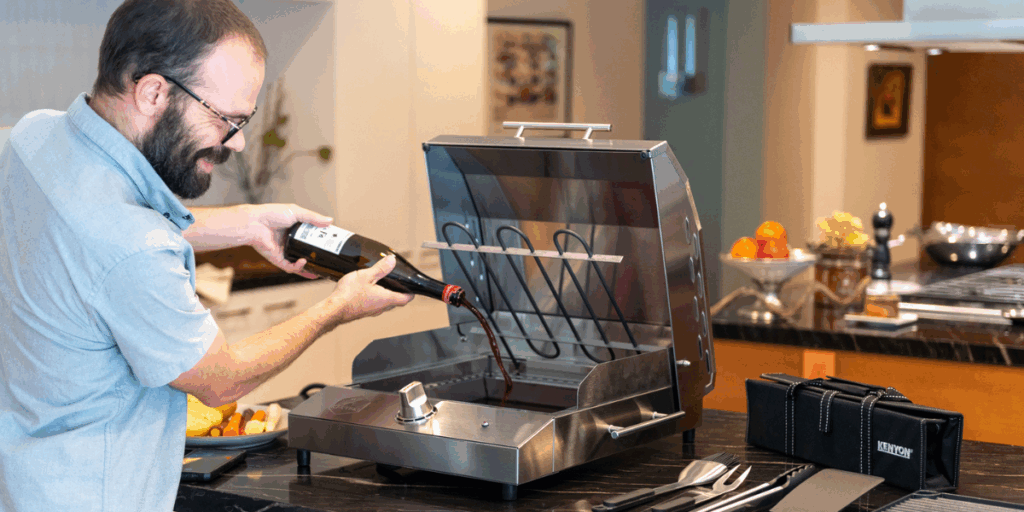
Electric grills are designed to deliver steady, predictable heat.
Instead of managing flames or hot spots, you get a more even cooking surface, which leads to better results—especially for foods that benefit from consistency, like fish, vegetables, or thinner cuts of meat.
For a lot of people, this removes the learning curve and makes grilling more approachable.
5. Designed for How People Actually Live
Not everyone has a backyard. Not everyone wants to deal with fuel.
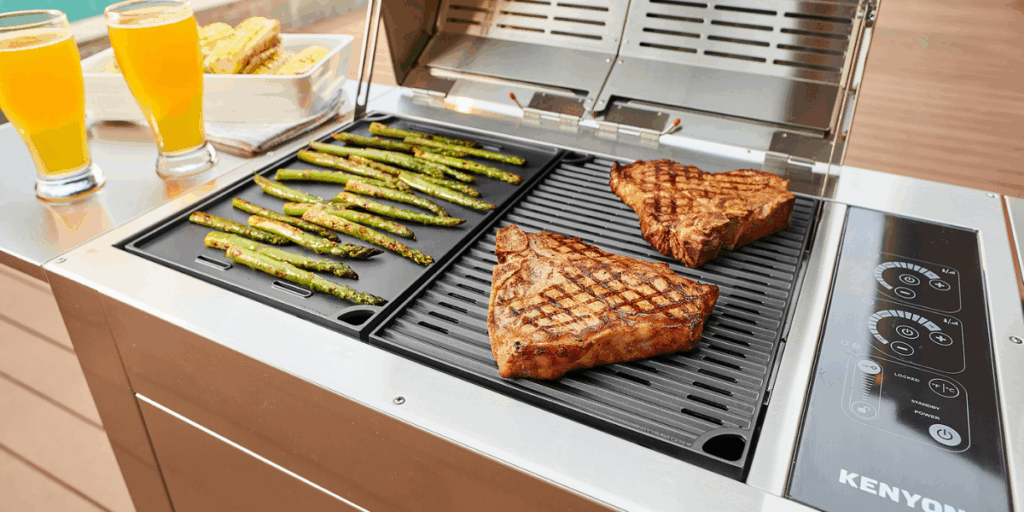
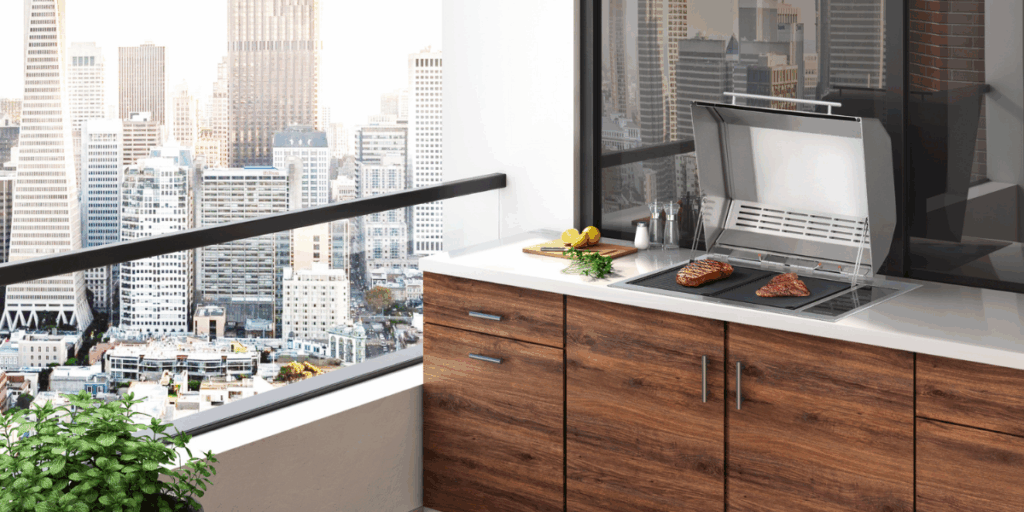
Electric grills open up grilling to spaces where gas or charcoal simply aren’t practical—or allowed. From small patios to indoor kitchens, they make it possible to grill in places that used to be off-limits.
That flexibility is a big reason more people are making the switch.
6. Easy Cleanup (Because That Matters More Than You Think)
Grilling is fun. Cleaning up after? Not so much.
Electric grills simplify the process with non-stick surfaces and fewer byproducts from combustion. In many cases, components can be wiped down quickly or placed in the dishwasher.
That ease of cleanup makes it far more likely that the grill gets used regularly—not just occasionally.
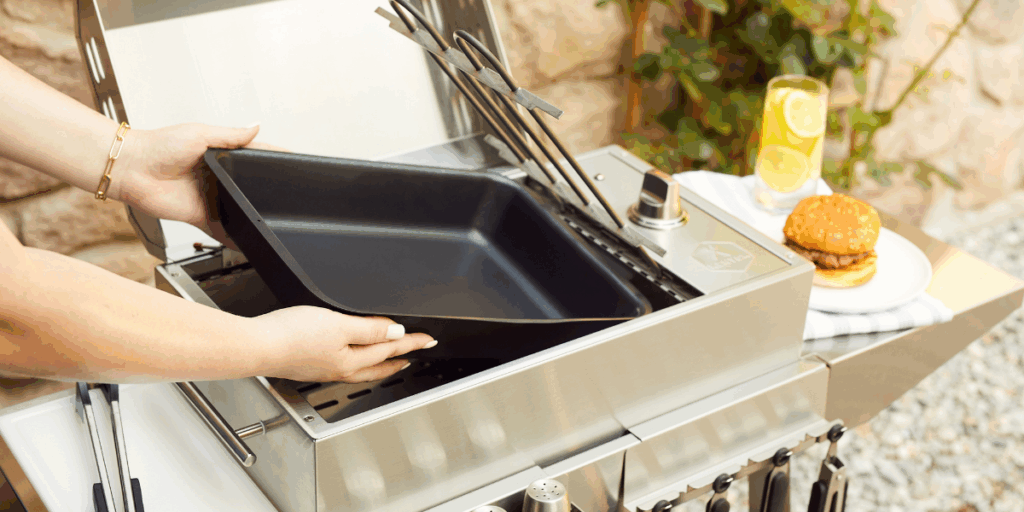 Coated Drip Tray
7. A More Sustainable Way to Grill
As more people look for ways to reduce their reliance on gas and non-renewable fuels, electric grilling offers a practical alternative.
It allows users to cook with energy sources that can be cleaner and more efficient, depending on how electricity is generated in their area.
For many households, it’s a small shift that aligns with a broader move toward more sustainable living.

Grilling, Without the Hassle
Electric grills don’t try to replicate the old way of doing things—they improve on it.
By removing the need for fuel, reducing mess, and making grilling more accessible, they turn what used to be an occasional activity into something you can do anytime.
And for a lot of people, that’s the biggest benefit of all.
Shop Kenyon Electric Grills
Popular post

Uncategorized
Accessory Spotlight: Griddle